Category: Landscaping Ideas

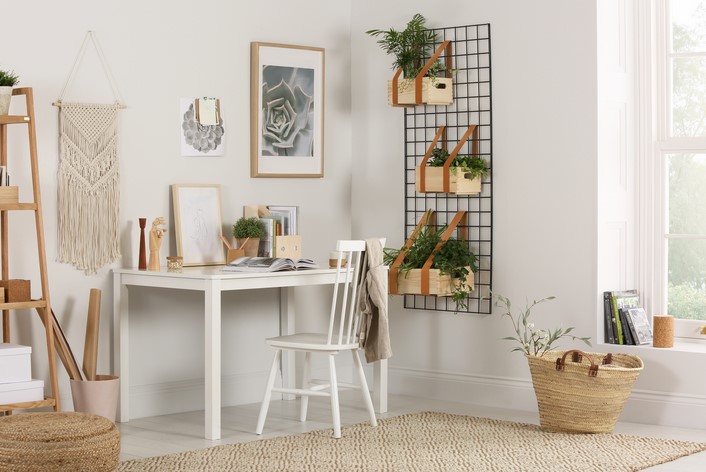
Wall-Mounted Planters to Bring Greenery Indoors

Source:https://cdn.mos.cms.futurecdn.net

In today’s design landscape, incorporating nature into indoor spaces has become a priority for many homeowners and interior designers alike. One innovative and space-saving way to achieve this is through wall-mounted planters. These planters not only add a refreshing touch of greenery but also serve as functional art pieces that can transform blank walls into lush, living installations. Wall-mounted planters are perfect for urban dwellers with limited floor space, individuals looking to enhance air quality, or anyone seeking to create a calming natural environment indoors. This article explores the benefits of wall-mounted planters, design ideas, and practical considerations for integrating greenery seamlessly into your home or office.

Advantages of Using Wall-Mounted Planters Indoors

Maximizing Space in Compact Areas

One of the primary advantages of wall-mounted planters is their ability to bring plants into homes where floor space is limited. Apartments, studios, and small offices often lack room for traditional potted plants or large indoor trees. By utilizing vertical wall space, wall-mounted planters enable residents to enjoy a verdant atmosphere without sacrificing valuable living or working areas.

This vertical gardening approach makes it easier to personalize small spaces, creating an inviting and vibrant atmosphere without cluttering walkways or furniture arrangements. In addition, positioning plants at eye level draws attention and creates a dynamic focal point that enriches any room.

Improving Indoor Air Quality and Wellbeing

Plants are natural air purifiers—they absorb carbon dioxide and release oxygen, while also filtering pollutants such as volatile organic compounds (VOCs) from indoor environments. Wall-mounted planters make it convenient to add this benefit throughout your living or working spaces.

Moreover, studies show that having plants indoors reduces stress, improves mood, and boosts productivity. The presence of greenery helps foster a sense of calm and connection to nature, which is especially important in urban settings where direct outdoor access may be limited.

Design Ideas and Styles for Wall-Mounted Planters

Contemporary and Minimalist Designs

For modern interiors, sleek wall-mounted planters made from materials like metal, concrete, or ceramics provide a clean and sophisticated look. Geometric shapes and monochromatic colors complement minimalist décor, creating a harmonious blend between nature and contemporary design elements.

Some designs incorporate modular panels or pockets that allow for flexible planting arrangements. This adaptability enables users to change plants seasonally or experiment with different greenery combinations, offering an evolving living art piece.

Rustic and Natural Themes

In homes with rustic or farmhouse styles, wall-mounted planters crafted from reclaimed wood, woven baskets, or terracotta add warmth and character. The organic textures of these materials highlight the natural beauty of the plants and create a cozy, inviting atmosphere.

Incorporating herbs, succulents, or trailing vines like pothos and ivy in these planters also brings fragrance and texture, enhancing the sensory experience within the room.

Vertical Gardens and Living Walls

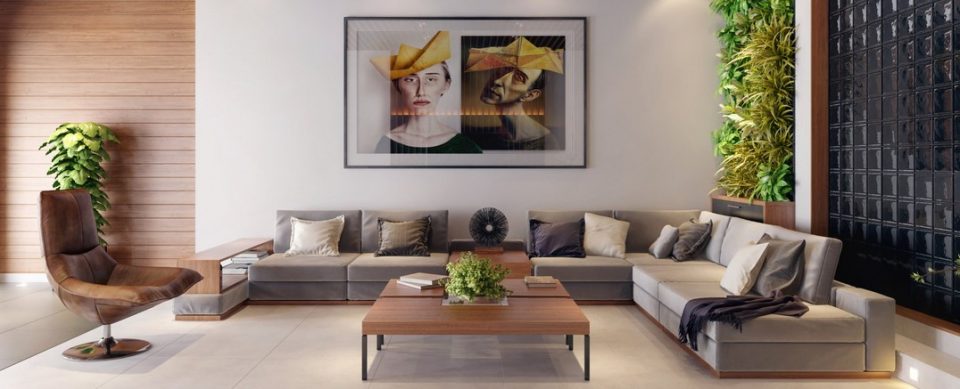
For a bolder statement, consider creating a living wall—a large-scale installation composed entirely of wall-mounted planters arranged to cover a significant portion of the wall. This immersive greenery feature can become the centerpiece of a room, promoting biodiversity and enhancing air quality.

Living walls can be designed with a variety of plants, from ferns and mosses to flowering species, depending on light availability and maintenance preferences. Integrating drip irrigation systems simplifies watering and ensures consistent plant health.

Practical Considerations for Integrating Wall-Mounted Planters

Choosing the Right Plants for Indoor Walls

Selecting appropriate plant species is crucial for successful indoor wall-mounted gardens. Factors to consider include light exposure, humidity levels, and maintenance requirements.

  • Low-Light Plants: Snake plants, ZZ plants, and philodendrons thrive in indirect or low-light conditions, making them ideal for rooms with limited natural sunlight.
  • Air-Purifying Plants: Spider plants and peace lilies are known for their ability to cleanse the air and flourish indoors.
  • Succulents and Cacti: These drought-resistant plants are perfect for low-maintenance setups, especially in sunny spaces.

Grouping plants with similar care needs ensures easier maintenance and better overall plant health.

Installation and Maintenance Tips

Proper installation is essential for both safety and plant longevity. Wall-mounted planters must be securely anchored to support the combined weight of soil, plants, and water. It’s advisable to use sturdy wall anchors and follow manufacturer guidelines or consult a professional if necessary.

Maintenance involves regular watering, pruning, and occasional fertilization. Choosing planters with proper drainage or self-watering features can prevent root rot and simplify care routines. Additionally, rotating plants periodically ensures even light exposure and balanced growth.

Enhancing Indoor Decor with Wall-Mounted Planters

Wall-mounted planters can complement existing interior design themes or inspire new décor directions. Consider integrating lighting such as spotlights or LED grow lights to highlight the greenery and promote photosynthesis in low-light areas.

Mixing different planter sizes and shapes creates visual interest, while coordinating planter colors and materials with furniture and accessories reinforces a cohesive look.

Integrating wall-mounted planters into indoor environments offers a stylish and practical way to bring nature inside, especially where space is limited. Beyond their aesthetic appeal, these planters contribute to improved air quality, enhanced wellbeing, and a stronger connection to the natural world. Whether through minimalist installations or lush living walls, wall-mounted planters are a versatile design element that elevates any interior. For anyone seeking to enrich their home or office with greenery while optimizing space, wall-mounted planters provide an elegant and sustainable solution.
Path of Elegance: How to Build a Brick Walkway for Timeless Charm

Path of Elegance: How to Build a Brick Walkway for Timeless Charm is a comprehensive guide to creating a beautiful and timeless brick walkway. This guide will provide you with all the information you need to create a stunning walkway that will last for years to come. From choosing the right materials to laying the bricks, this guide will walk you through the entire process step-by-step. With the help of this guide, you can create a walkway that will add charm and elegance to your home.

Step-by-Step Guide to Installing a Brick Walkway for Timeless Elegance

Installing a brick walkway is a great way to add timeless elegance to any outdoor space. With a few simple steps, you can create a beautiful and durable walkway that will last for years to come.

Step 1: Prepare the Site

Before you begin, you will need to prepare the site for the walkway. Start by clearing the area of any debris, such as rocks, sticks, and leaves. Then, use a shovel to level the ground and remove any large roots or other obstructions.

Step 2: Lay the Foundation

Once the site is prepared, you can begin laying the foundation for the walkway. Start by laying down a layer of gravel or crushed stone. This will provide a stable base for the bricks and help with drainage.

Step 3: Install the Edging

Next, you will need to install the edging for the walkway. This can be done with either plastic or metal edging. Make sure to secure the edging in place with stakes or other anchors.

Step 4: Lay the Bricks

Now it’s time to lay the bricks. Start at one end of the walkway and work your way to the other. Make sure to use a level to ensure that the bricks are even and level.

Step 5: Fill in the Gaps

Once the bricks are laid, you will need to fill in the gaps between them. This can be done with either sand or mortar. Make sure to use a trowel to spread the material evenly.

Step 6: Seal the Walkway

Finally, you will need to seal the walkway. This will help protect the bricks from the elements and keep them looking great for years to come. Use a sealant specifically designed for brick walkways and follow the manufacturer’s instructions.

By following these steps, you can easily install a beautiful and durable brick walkway that will add timeless elegance to any outdoor space. With a little bit of time and effort, you can create a walkway that will last for years to come.

Design Tips for Creating a Path of Elegance with a Brick Walkway

Creating a brick walkway is a great way to add a touch of elegance to any outdoor space. Here are some design tips to help you create a path of elegance with a brick walkway:

1. Choose the Right Brick: Selecting the right brick is essential for creating a path of elegance. Consider the size, shape, and color of the brick to ensure it complements the surrounding landscape.

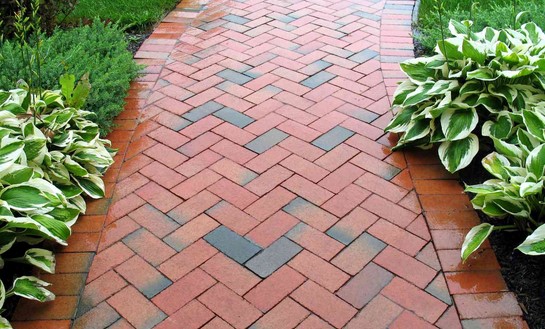
2. Create a Pattern: Create a pattern with the bricks to add visual interest to the walkway. Consider alternating the brick colors or laying them in a herringbone pattern.

3. Incorporate Edging: Incorporate edging along the sides of the walkway to give it a finished look. Consider using a contrasting material such as stone or metal to create a border.

4. Add Lighting: Adding lighting to the walkway will create a warm and inviting atmosphere. Consider using solar-powered lights or low-voltage LED lights to illuminate the path.

By following these design tips, you can create a path of elegance with a brick walkway. With the right materials and design elements, you can create a beautiful and inviting outdoor space.Path of Elegance: How to Build a Brick Walkway for Timeless Charm is an excellent guide for anyone looking to add a classic and timeless charm to their outdoor space. With detailed instructions and helpful tips, this guide provides all the information needed to build a beautiful brick walkway. Whether you are a beginner or an experienced DIYer, this guide will help you create a stunning walkway that will last for years to come.

Timeless Charm: Crafting a Classic Brick Walkway for Your Home

Welcome to Timeless Charm: Crafting a Classic Brick Walkway for Your Home! This guide will provide you with all the information you need to create a beautiful and timeless brick walkway for your home. We will cover the basics of brick walkway design, the materials you will need, and the steps to take to ensure your walkway is built to last. With the right planning and preparation, you can create a classic brick walkway that will add charm and character to your home for years to come.
How to Create a Timeless Brick Walkway for Your Home: Tips and Tricks for Crafting a Classic Look

Creating a timeless brick walkway for your home is a great way to add a classic look to your outdoor space. With the right materials and techniques, you can create a beautiful and durable walkway that will last for years to come. Here are some tips and tricks for crafting a classic brick walkway that will stand the test of time.

1. Choose the Right Materials: When selecting the materials for your walkway, it is important to choose bricks that are durable and weather-resistant. Clay bricks are a popular choice for walkways, as they are strong and can withstand the elements. Additionally, you may want to consider using a sealant to protect the bricks from moisture and dirt.

2. Prepare the Ground: Before laying the bricks, it is important to prepare the ground. Make sure the area is level and free of debris. If necessary, you can use a shovel to dig out any uneven areas. Additionally, you may want to add a layer of gravel or sand to the area to provide a stable base for the bricks.

3. Lay the Bricks: Once the ground is prepared, you can begin laying the bricks. Start by laying the first row of bricks along the edge of the walkway. Make sure the bricks are level and evenly spaced. As you continue to lay the bricks, use a rubber mallet to tap them into place.

4. Fill in the Gaps: Once all the bricks are in place, you can fill in the gaps with mortar. Use a trowel to spread the mortar evenly between the bricks. Make sure to wipe away any excess mortar before it dries.

5. Seal the Walkway: To protect the walkway from moisture and dirt, you may want to consider sealing the bricks. This will help to keep the walkway looking new for years to come.

By following these tips and tricks, you can create a timeless brick walkway for your home. With the right materials and techniques, you can craft a classic look that will stand the test of time.

Adding Charm to Your Home with a Timeless Brick Walkway: Ideas for Designing a Classic Look That Will Last for Years to Come

A brick walkway is a timeless addition to any home, providing a classic look that will last for years to come. Designing a brick walkway can be a daunting task, but with the right planning and materials, you can create a beautiful and durable pathway that will add charm to your home. Here are some ideas for designing a classic brick walkway that will stand the test of time.

First, consider the size and shape of your walkway. A straight path is the most common design, but you can also create curves and other shapes to add interest. When laying out the bricks, be sure to leave enough space between them for proper drainage. This will help prevent water from pooling and damaging the bricks.

Next, choose the type of brick you want to use. There are many different types of brick available, from traditional red clay to more modern concrete varieties. Consider the color and texture of the brick, as well as its durability and cost.

Once you’ve chosen the type of brick, you’ll need to prepare the area for installation. This includes removing any existing vegetation, leveling the ground, and laying a base of gravel or sand. This will help ensure that the bricks are properly supported and will last for years to come.

Finally, it’s time to lay the bricks. Start at one end of the walkway and work your way to the other, using a level to make sure the bricks are even. Be sure to use mortar between the bricks to ensure a secure bond. Once the bricks are in place, you can add a sealant to protect them from the elements.

With a little planning and the right materials, you can create a beautiful and timeless brick walkway that will add charm to your home. By following these tips, you can ensure that your walkway will last for years to come.Timeless Charm: Crafting a Classic Brick Walkway for Your Home is a great way to add a touch of classic elegance to your home. With a few simple steps, you can create a beautiful and durable walkway that will last for years to come. Whether you choose to use traditional brick or a more modern material, the end result will be a timeless and classic look that will add value to your home. With a little bit of planning and creativity, you can create a classic brick walkway that will be the envy of your neighbors.

Pathways to Beauty: Walkways Ideas to Enhance Your Outdoor Landscape

Source : https://arborhilllandscaping.com

Pathways to Beauty: Walkways Ideas to Enhance Your Outdoor Landscape is a comprehensive guide to creating beautiful and functional pathways in your outdoor landscape. This book provides detailed instructions on how to design and construct pathways that will add beauty and value to your home. It covers a wide range of topics, from selecting the right materials to creating a unique design that will fit your landscape. With this book, you can create a stunning pathway that will be the envy of your neighbors. Whether you are looking for a simple walkway or a more elaborate design, Pathways to Beauty: Walkways Ideas to Enhance Your Outdoor Landscape has the information you need to get started.

Creative Walkways Ideas to Transform Your Outdoor Landscape

Creating an inviting outdoor landscape can be a challenge, but with the right creative walkways ideas, you can transform your outdoor space into a beautiful and functional area. Walkways are an important part of any outdoor landscape, providing a safe and attractive way to move around the yard. With the right design, walkways can also add visual interest and texture to your outdoor space. Here are some creative walkways ideas to help you transform your outdoor landscape.

1. Use Natural Materials: Natural materials such as stone, brick, and wood can add a rustic charm to your walkways. These materials are also durable and can withstand the elements. Consider using a combination of materials to create a unique look.

2. Incorporate Curves: Curved walkways can add a sense of movement and flow to your outdoor landscape. Consider incorporating curves into your walkways to create a more interesting and inviting space.

3. Add Lighting: Adding lighting to your walkways can create a beautiful and inviting atmosphere. Consider using solar-powered lights or low-voltage lighting to illuminate your walkways.

4. Incorporate Plants: Incorporating plants into your walkways can add texture and color to your outdoor space. Consider using plants such as shrubs, flowers, and trees to create a lush and inviting atmosphere.

5. Use Pavers: Pavers are a great way to add texture and color to your walkways. Consider using different shapes and sizes of pavers to create a unique look.

By incorporating these creative walkways ideas into your outdoor landscape, you can transform your outdoor space into a beautiful and inviting area. With the right design, walkways can add visual interest and texture to your outdoor space.

How to Incorporate Pathways to Beauty into Your Outdoor Design

When designing an outdoor space, incorporating pathways to beauty can be a great way to create a visually appealing and inviting atmosphere. Pathways to beauty can be achieved through the use of various elements such as plants, lighting, and furniture. Here are some tips for incorporating pathways to beauty into your outdoor design.

First, consider the plants you will use in your outdoor design. Incorporating plants into your design can create a sense of beauty and tranquility. Choose plants that are native to your area and that will thrive in the climate. Consider using a variety of plants with different colors, textures, and shapes to create visual interest. Additionally, consider adding trees and shrubs to create a sense of privacy and to provide shade.

Second, use lighting to create pathways to beauty. Lighting can be used to highlight certain features of your outdoor design, such as plants, furniture, and pathways. Consider using solar-powered lights to create a soft, inviting atmosphere. Additionally, consider using string lights or lanterns to create a romantic ambiance.

Finally, incorporate furniture into your outdoor design. Furniture can be used to create pathways to beauty by providing comfortable seating areas and inviting spaces for entertaining. Choose furniture that is comfortable and durable, and that will complement the overall design of your outdoor space. Additionally, consider adding outdoor rugs and cushions to create a cozy atmosphere.

By incorporating pathways to beauty into your outdoor design, you can create a visually appealing and inviting atmosphere. Consider using plants, lighting, and furniture to create pathways to beauty and to create a space that is both beautiful and functional.Pathways to Beauty: Walkways Ideas to Enhance Your Outdoor Landscape is an excellent resource for anyone looking to create a beautiful outdoor landscape. It provides a variety of ideas for walkways, from traditional stone pathways to more modern designs. With its helpful tips and detailed instructions, this book is sure to help anyone create a stunning outdoor space. Whether you are looking to create a classic look or something more modern, Pathways to Beauty: Walkways Ideas to Enhance Your Outdoor Landscape is the perfect guide to help you achieve your desired results.

Desert Dreams: Creating a Stunning Desert Landscape for Your Front Yard

Source : https://cdn.sanity.io

Desert Dreams: Creating a Stunning Desert Landscape for Your Front Yard is a comprehensive guide to creating a beautiful desert landscape in your front yard. This book provides detailed instructions on how to design and create a desert landscape that is both aesthetically pleasing and environmentally friendly. It covers topics such as selecting the right plants, choosing the right soil, and creating a water-wise irrigation system. It also provides tips on how to maintain your desert landscape and keep it looking its best. With Desert Dreams, you can create a stunning desert landscape that will be the envy of your neighbors.

How to Design a Low-Maintenance Desert Landscape for Your Front Yard

Designing a low-maintenance desert landscape for your front yard can be a great way to add beauty and value to your home. By selecting the right plants and materials, you can create a stunning landscape that requires minimal upkeep. Here are some tips for designing a low-maintenance desert landscape for your front yard.

First, select drought-tolerant plants that are native to the area. Native plants are adapted to the local climate and soil conditions, so they require less water and maintenance than non-native plants. Choose plants with different shapes, sizes, and colors to create a visually interesting landscape. Consider adding cacti, succulents, and other drought-tolerant plants to your design.

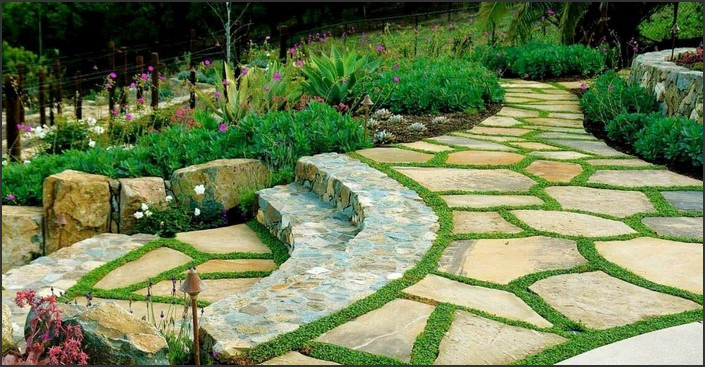
Second, use hardscaping materials to create pathways and other features. Hardscaping materials such as gravel, flagstone, and pavers are low-maintenance and can add texture and color to your landscape. Consider adding a pathway or patio to your design to create a focal point and provide a place to relax and enjoy the outdoors.

Third, use mulch to conserve water and reduce weeds. Mulch helps retain moisture in the soil and prevents weeds from taking over your landscape. Choose a mulch that is appropriate for the climate and soil conditions in your area.

Finally, consider adding a drip irrigation system to your landscape. Drip irrigation systems are an efficient and low-maintenance way to water your plants. They deliver water directly to the roots of the plants, so you don’t have to worry about overwatering or wasting water.

By following these tips, you can create a beautiful and low-maintenance desert landscape for your front yard. With the right plants and materials, you can create a stunning landscape that requires minimal upkeep.

Tips for Incorporating Native Plants into Your Desert Landscape Design for Your Front Yard

1. Research Native Plants: Before incorporating native plants into your desert landscape design, it is important to research the plants that are native to your area. This will help you determine which plants will thrive in your climate and soil conditions.

2. Consider Your Climate: When selecting native plants for your desert landscape design, it is important to consider the climate of your area. Some plants may not be able to survive in extreme temperatures or may require more water than your area receives.

3. Choose Low-Maintenance Plants: Native plants are often low-maintenance and require less water and fertilizer than non-native plants. This makes them ideal for desert landscapes.

4. Utilize Drought-Tolerant Plants: Drought-tolerant plants are well-suited for desert landscapes and can help reduce water usage. Consider incorporating drought-tolerant native plants into your design.

5. Incorporate Colorful Plants: Native plants come in a variety of colors and textures, making them ideal for adding visual interest to your landscape design. Consider incorporating colorful native plants to add a pop of color to your front yard.

6. Utilize Native Trees: Native trees can provide shade and protection from the sun, as well as add visual interest to your landscape design. Consider incorporating native trees into your design to provide shade and add texture.

7. Incorporate Native Shrubs: Native shrubs can provide a natural barrier and can also add texture and color to your landscape design. Consider incorporating native shrubs into your design to provide a natural barrier and add visual interest.

8. Utilize Native Groundcovers: Native groundcovers can help reduce water usage and can also add texture and color to your landscape design. Consider incorporating native groundcovers into your design to reduce water usage and add visual interest.Desert Dreams: Creating a Stunning Desert Landscape for Your Front Yard is an excellent resource for anyone looking to create a beautiful and unique desert landscape in their front yard. With detailed instructions and helpful tips, this book provides readers with the knowledge and tools they need to create a stunning desert landscape that will be the envy of their neighbors. Whether you are looking to create a low-maintenance, drought-tolerant landscape or a lush, vibrant oasis, Desert Dreams provides the information and resources you need to make your dream a reality.